

Failure
In my 20s, I had many jobs — a teaching artist in museums and schools, museum tour guide and educator, office assistant to academics and nonprofit administrators, studio assistant to contemporary artists, freelance photographer, office temp for law offices and hedge funds, and independent curator for small galleries and nonprofits. Last Tuesday, while celebrating Hank Willis Thomas’ 50th birthday, I was reminded of how bad I was at some of these jobs.

Image (L-R): My bestie Jess, me, Hank, a friend of Hank’s, and one of Hanks oldest friends Frank
After graduating with a BFA in Photography & Imaging from NYU-Tisch, I wanted to stay in the city. Hank’s mom Deb had been my professor and mentor. Shortly after graduating, she helped me get a job working for a small nonprofit housed on Columbia University’s campus. During my junior year, she encouraged me to apply for a summer internship in the Education Department at the Studio Museum in Harlem. They ultimately hired me as a freelance museum educator and teaching artist. After I graduated, I moved to Harlem to be closer to these jobs and continued to work on my own photo work, trying to get it shown in exhibitions.
Between the nonprofit admin job and my museum work, things were decently stable. But then the nonprofit closed its doors, and I couldn’t solely rely on the museum work to sustain me while I lived in my studio apartment in Sugar Hill. Deb took pity on me and hired me as her assistant to help sort mail, clear her email inbox, and handle other office admin. Some of her professor friends hired me, too, to help out with home office odds and ends. All I remember from this period was that I wasn’t great at any of these jobs. I needed too much direction. My follow-through wasn’t great. I was too much in my head about a lot of things, namely wondering when I was going to be successful. The irony is that you never become successful if you’re only focused on being successful and not committed to the journey of getting there. But I digress.
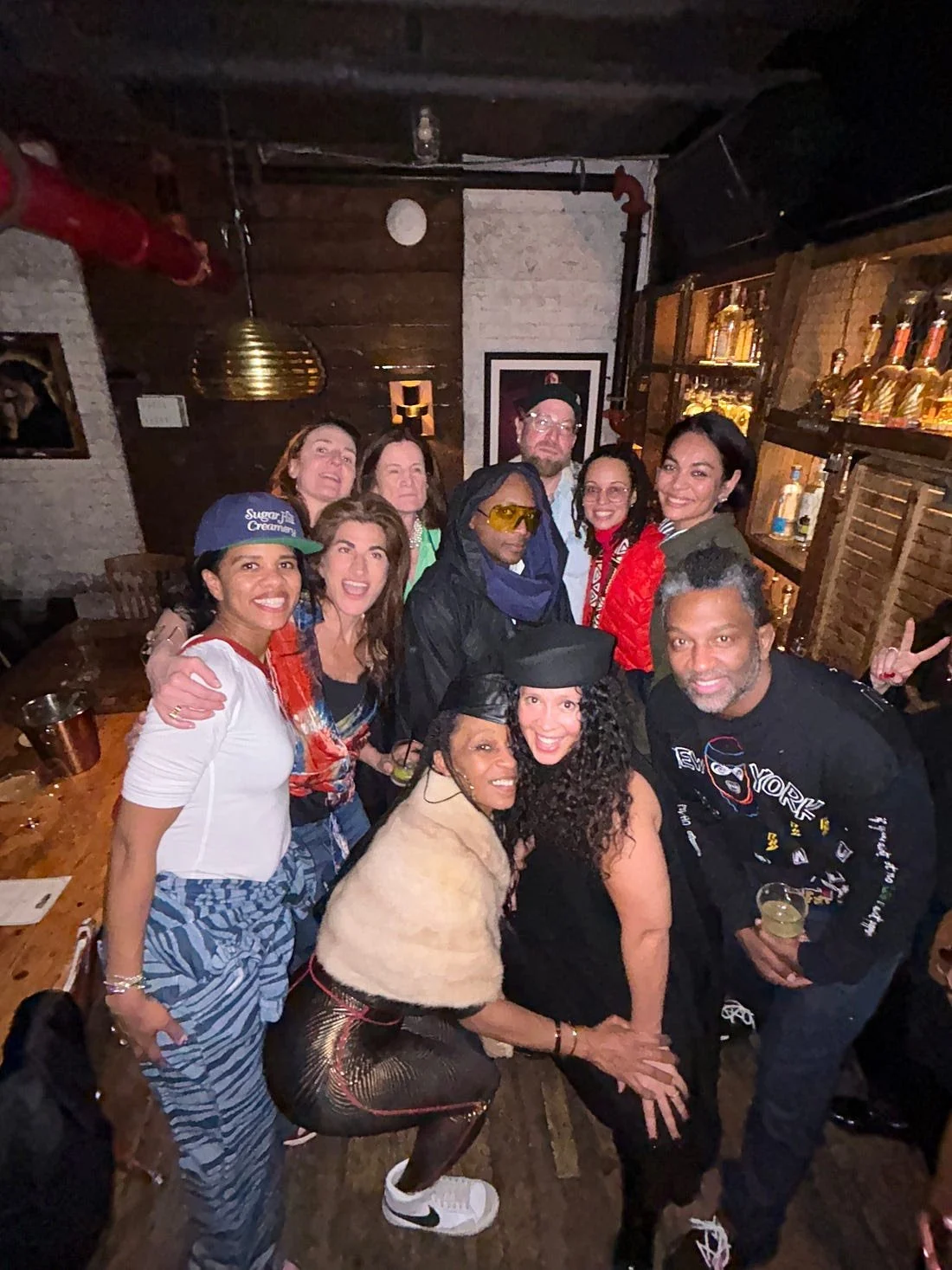
Image: Happy birthday group pic!
Eventually, Hank hired me to help him in his studio. We worked on his first artist residency application together — it was to Skowhegan, and he got in. I also helped scan his negatives because his work was primarily photo-based at the time. I’ll never forget how I once ruined one of his negatives by accident. Yikes. His response was like a parent responding to a sensitive and fearful child who had broken something in the house — I could feel the deep disappointment, but he never yelled or belittled me for it. Instead, I beat myself up about it for a while.
When he hired me, he was a young artist building the foundation for what his work is today. I thought he hired me out of pity. But I remember him asking me what salary I needed to give my undivided attention to working in his studio. At the time, I didn’t take that question seriously. I barely had a sense of what it cost me to live on my own. I was living check to check in a very real way. In hindsight, I realize he was eager to find someone more reliable to help him build his practice. That person was clearly not me at the time. I was too unsettled and self-loathing to give it real thought. I was stuck — unsure of what my next professional steps should be.
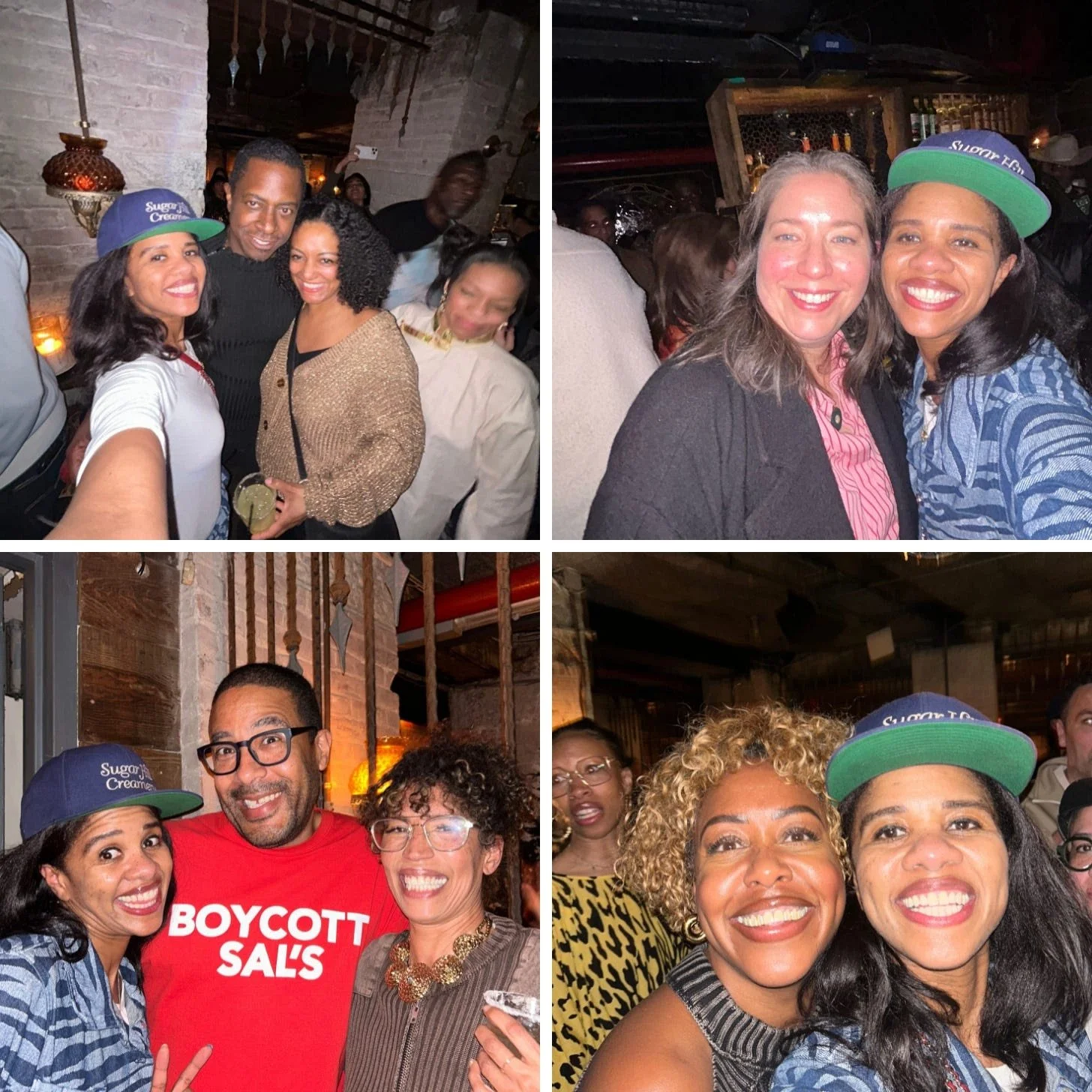
Image (L-R, Top to Bottom): artist Sanford Biggers, his wife Arana Hankin; curator Meredith Johnson; Sammy (one of Nick's oldest friend's friends from high school) and their other friend from high school...crazy; a woman named Manushka (that's my sister's full name)...our mutual contact had been wanting to introduce me to her since she and I first met at the Laundromat Project
Last week at his 50th birthday party, he kept introducing me as his first studio manager. Obviously, he was inflating my role, but it was funny to hear because I hadn’t thought about that period of my life in a while. I’ve written before that my early-to-mid 20s were a rough time for me — not in the cards-stacked-against-me kind of way, but the insecurity kind of way. I was trying to find my way. As someone who was used to achieving in school and extracurricular settings, I was out on my own trying to survive in this city. I questioned myself. I struggled with comparison. Some of my peers had regular jobs that allowed them to pay their bills, and others were being represented by gallerists, which at the time felt like the ultimate success. I was working for someone whose career was on the rise, in what I felt was a pity job, and ruining their negatives in the process.
I felt less than in so many ways and wondered when things would turn. Eventually, I went to grad school at California College of the Arts at Hank’s encouragement. He knew I was leaning more toward curating, and they had a newer program that could be a great place to sharpen my skills. The program placed me once again in a safe academic environment where I could achieve. Only, I didn’t do as well as my peers, which didn’t help my self-esteem. But I moved through all the mental garbage of feeling out of place and left behind — I didn’t know all of the contemporary artists being discussed in class, nor did I have the breadth of art history knowledge or writing skills that my peers seemed to have.
I came back to New York more energized to make things work. I once again scraped jobs together — working with Nick at a restaurant was one of them. I emailed people in my network to share my work interests. I applied to what felt like a million jobs from Society Cafe, one of the first cafes on Frederick Douglass Blvd in Harlem. I loved that place. Eventually, I landed a curatorial fellowship at The Kitchen. I also emailed my friend who had started the Laundromat Project to see if she needed any help with her young but promising organization, which 20 years later has become a vital node for the intersection of social justice and art making in the city.
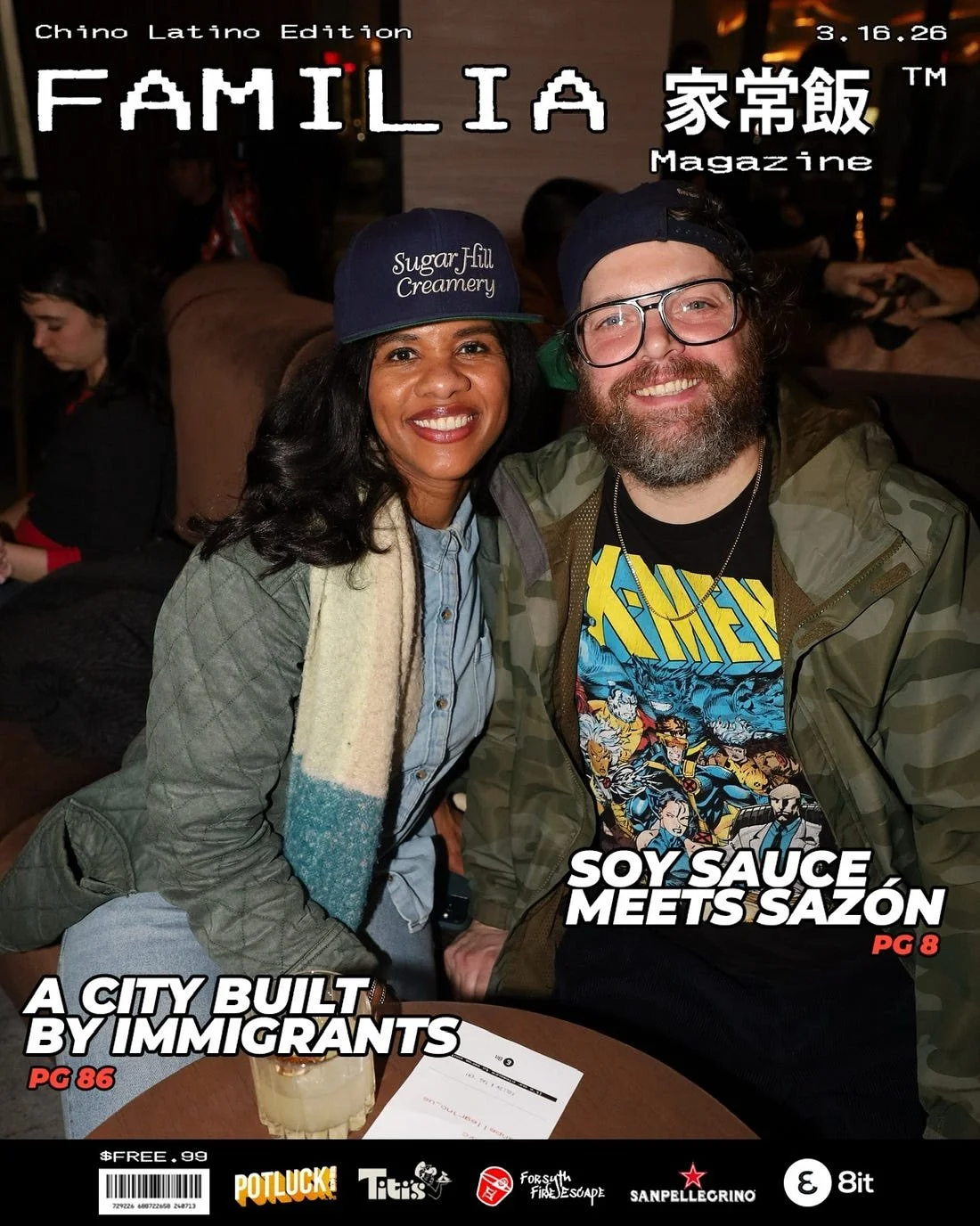
Image: Nick and I last week at the 8it Family Meal, an industry night for folks working in the industry. Food by Potluck Club and Titi’s.
These experiences led me to where I stand today. From them I learned that your sense of self cannot be defined by your academic performance. When you are between jobs and no one seems to be hiring, hire yourself — go help someone or an organization do the things you’re interested in. Doing the work leads to results you can use to build a career or even a business. And, finally, as my mother says, the most important conversation you have is the one you have with yourself. If you are feeding yourself garbage messages, you’re going to feel like garbage. Sure, you may have some things to work on, but the message doesn’t have to be dramatic and final. We all fail at things, but you can always improve whatever needs improving — and you can be kind to yourself in the process.
With you,
Petrushka
Your Local Ice Cream Lady/Business & Life Coach